
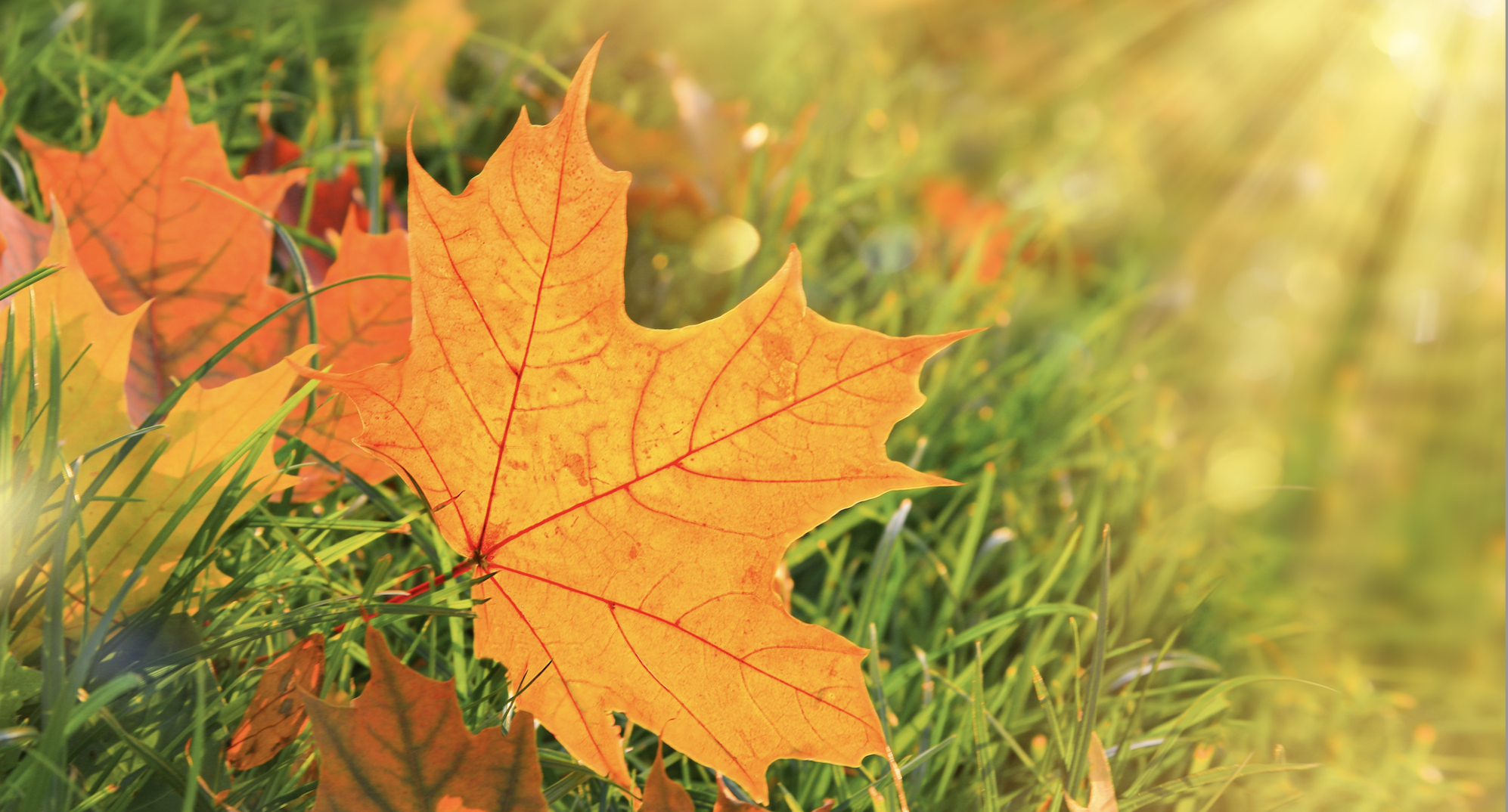

Happy First Day of Fall! Though Los Angeles is still set for at least a few more weeks of summer-style high temperatures, the calendar doesn’t lie: we’ve officially entered autumn.
Gardeners know that each season brings its own special batch of floral and culinary delights. Even though many in the Northern Hemisphere equate “fall” with “harvest,” there are also plenty of seeds and sprouts that do their best when they go in the ground during this time of year. From leafy greens like kale and arugula—plus their secret cousin elsewhere on the Brassicaceae family tree, broccoli—to root vegetables, onions, leeks, celery, fennel, and even blueberries, fall is the perfect time to prepare your garden for the months ahead. And with a little water-wise planning (think mulch and a rain barrel), you’ll be setting yourself up for success.
Why Start a Native Garden in Fall?
Autumn is the perfect season to start a native garden. The soil is still warm, which helps the root system of young plants grow healthy and strong, while cooler outdoor temperatures put less stress on new plantings. And fall is water-wise. Shorter days, milder temperatures, and (knock on wood) the occasional rain shower mean you won’t need to water as often.
But the best reason to start a native garden is the garden itself. From Monkey Flower and Hummingbird Trumpets to Sea Pinks and Sundrops, Southern California has no shortage of native plants to keep your garden gorgeous all year round. Far less thirsty than many exotic varieties, these local beauties need minimal irrigation, which is a huge help in reducing your water use (and water bill) while earning you bonus points in water conservation.
Planting natives also helps preserve biodiversity in Southern California by providing food for local birds and bugs. Because native plants have naturally built up their defenses against local pests, you can cut way back on pesticides. That saves money and prevents pesticide-laced runoff from washing into storm drains and ending up in creeks, rivers, and the ocean.
Three Tips for Getting Started with Natives
Know your options. From low-light loving Douglas Iris to gorgeous ground covers like Pigeon Point, there’s a native plant to fit every need. Explore public spaces like UCLA’s Mildred E. Mathias Botanical Garden, the Lummis House, or Lewis MacAdams Riverfront Park along the LA River. For expert advice, visit the Theodore Payne Foundation in Sun Valley (or their second nursery in Montecito Heights.) They offer classes, resources, and more than 600 species of native plants for sale.
Forget the fertilizer. Mulch is often all you need to keep soil healthy. Fertilizer can actually shorten the lifespan of native plants, and avoiding chemicals also reduces stormwater runoff. LA Sanitation and Environment can help you out with their free mulch giveaway program.
Be patient. Gardeners have a saying: The first year they sleep, the second year they creep, and the third year they leap. Young natives need attention for a year or two, but once established, they’re drought-tolerant and low-maintenance.
Fall Vegetables, Fruits, and Herbs
Native plants aren’t the only stars of the season. Fall is also the perfect time to plant food crops that thrive in Southern California’s mild climate. According to the Los Angeles Times, “Fall is prime planting time in Southern California to get berries established for spring harvest and fill your larder with tasty greens, brassicas, peas and root crops all winter long.” Here are highlights from their recommended list of what to plant now:
- Root vegetables: Beets, parsnips, radishes, turnips, and carrots. Bonus: beet greens and carrot tops can be harvested sparingly to add zest to soups and salads.
- Berries: Strawberries, raspberries, and blueberries. (The LA Times notes that blueberries need acidic soil and special care, such as the occasional spritz of vinegar water, to thrive in containers.)
- Leafy greens: Kale, arugula, mustard, collards, spinach, and lettuce. Plant different varieties for staggered harvests.
- Brassicas: Broccoli and broccolini, especially from seedlings, for long harvests through winter.
- Celery: Flavor-packed and easy to harvest by trimming stalks as needed.
- Herbs: Parsley, chives, tarragon, cilantro, fennel, and dill.
- Alliums: Garlic, onions, leeks, and scallions. Some varieties are ready to harvest quickly, while others are worth the longer wait.
- Flowers: Calendulas, nasturtiums, violas, chrysanthemums, and sweet peas (fragrant, but not edible).
A Water-Smart Garden for Every Season
Whether you’re planting natives, veggies, or both, water conservation is key. Mulching, choosing drought-tolerant varieties, and installing a rain barrel can all make a big difference in helping your garden thrive without overtaxing our limited water supply.
So dust off those gardening gloves and get planting! With natives, edibles, and water-wise practices on your side, you’ll be falling in love with your garden this season and enjoying the rewards for months (and even years!) to come.
If you have any questions about getting started with your garden, feel free to send us an email at lastormwater@lacity.org.