



Autumn is upon us: crisp mornings, changing leaves (even in LA!), and pumpkin-spiced everything. But as we embrace cozy sweaters and golden foliage, it’s also a great time to refresh our garden habits for the cooler season while protecting our local environment. Below are several fall-friendly practices to adopt in your garden, plus a cautionary note about “silent scaries” in the form of pesticides.
To prepare for the changes that come with fall, here are some changes you can make in your garden to turn over a new leaf and protect our local environment:
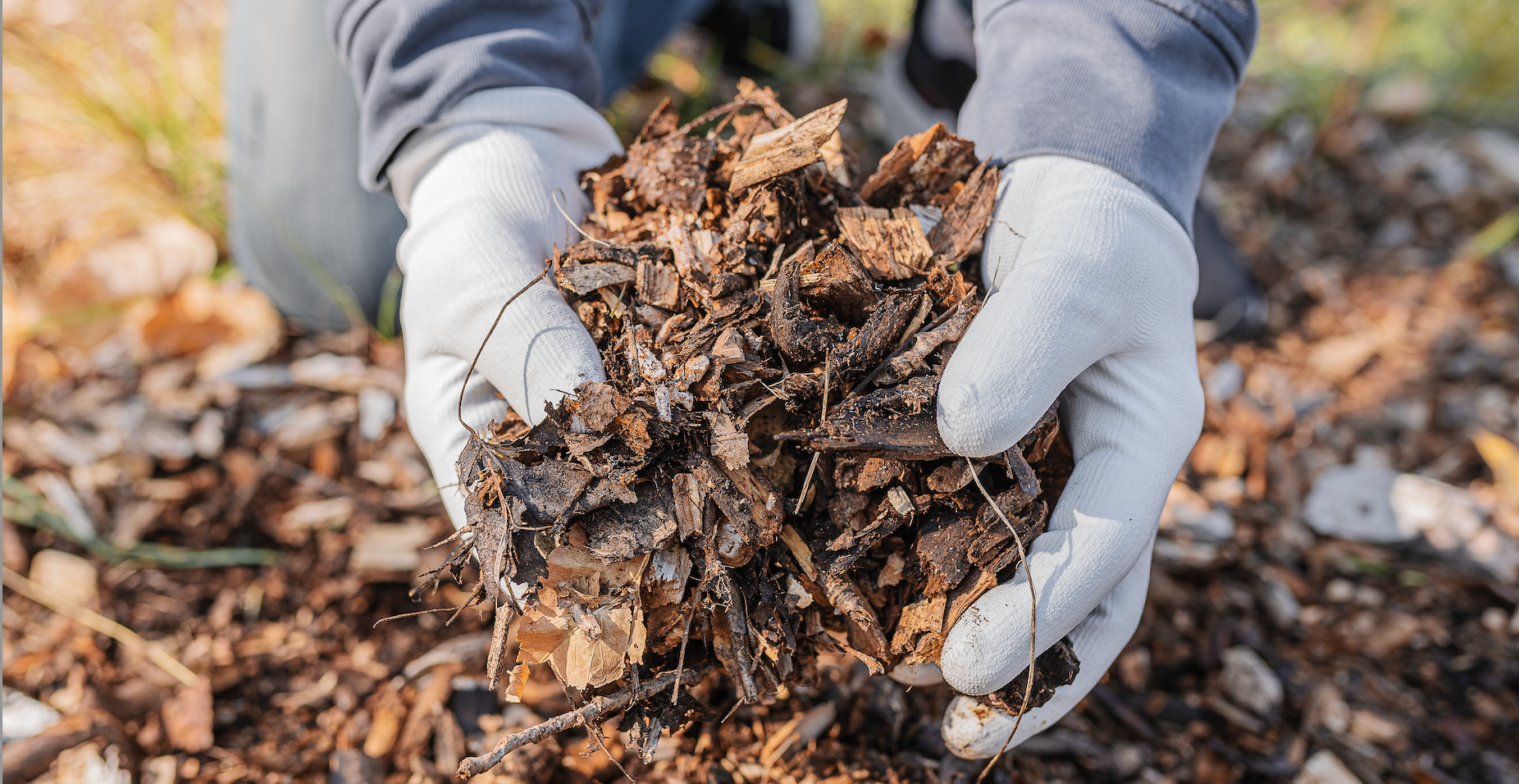
Go For The “Black” Gold! Leaves can be harmful to marine life when hosed off into the gutter and city streets. What’s the solution? Sweep up and dispose of fallen leaves in your green bin or even better, compost those fallen leaves and create what many gardeners call black gold. Free composting workshops hosted by LA Sanitation & Environment can get you started. (And honestly, what’s more autumnal than tapping into the power of fallen leaves?)
Forgo the Fertilizer! Many mainstream, synthetic fertilizers contain nutrients that run off into our waterways and can lead to toxic algae blooms, which hurts aquatic ecosystems. Instead, choose organic, slow-release products made of natural materials (like compost!)
Leaf Blowers Blow! Leaf blowers and lawn mowers emit dangerous carbon monoxide, nitrous oxides and hydrocarbons. So ditch the gas-powered tools and use hand-powered or electric tools instead. They’re a more earth-friendly choice, and they still get the job done. Plus, your neighbors will thank you.
Catch Every Drop! Rainwater from rain gutters and downspouts is a wasted resource when it is allowed to flow into local creeks and rivers. Instead, harvest rainwater and use it to water your outdoor plants. An easy way to do this is by installing rain barrels. The Metropolitan Water District makes it even easier by offering rebates on residential rain barrels. And, if you already have rain barrels, take a look at our rain barrel maintenance webinar to keep your rain barrel in tip top shape!
Pesticides Are Pretty Spooky!
As we enter this spooky season, we need to call out a real, silent threat: pesticides. These chemicals are, after all, biocides (substances designed to kill or suppress life.) While gardeners often think of ridding their plots of pests, we must also consider what these chemicals do when they wash into our local waterways and ecosystems.
How Pesticides Haunt Our Waters
Pesticide runoff and leaching occur when water (from rain or irrigation) carries chemicals off a garden into storm drains, streams, or groundwater. These chemicals threaten aquatic life and can, in turn, contaminate our stores of drinking water. (Source) Recent research suggests that 5–15% of applied pesticides may end up in runoff, enough to pose serious risks to downstream environments. Those are some pretty scary stats!
Less-ghoulish Gardening
Ditch the creepy pesticides and embrace these less spooky, more nature-friendly alternatives:
- Introduce beneficial insects
Bringing ladybugs into the mix can help control an aphid infestation. - Make your own garlic spray
Garlic has a strong odor that many pests detest! Channel your inner vampire-hunter by infusing crushed garlic in water for a few minutes, then straining the concoction and adding a dash of fragrance-free dish soap. Spray it on your plants in the evening and say “so long!” to pests. - Add some cover
A lightweight tarp atop your plants can help block pests’ entry. You can also make a barrier, which can be particularly helpful to deter our city’s adorably mischievous raccoon and skunk populations. - Introduce the buddy system
Grow your garden into a whole plant community by focusing on companion planting. Our guide to this planting style highlights its many benefits, but a major one is the pest-reducing properties from planting aromatic lavender, basil, and thyme alongside your other veggies, fruits, and flowers. Because even though we may love the smell (and taste!) of those herbs, they can be very off-putting to pests.
The changing of the seasons is the perfect time to adopt a few new practices. So, while you sip that mug of something pumpkin-y or cinnamon-spiced, let yourself fall into a few new eco-friendly habits.