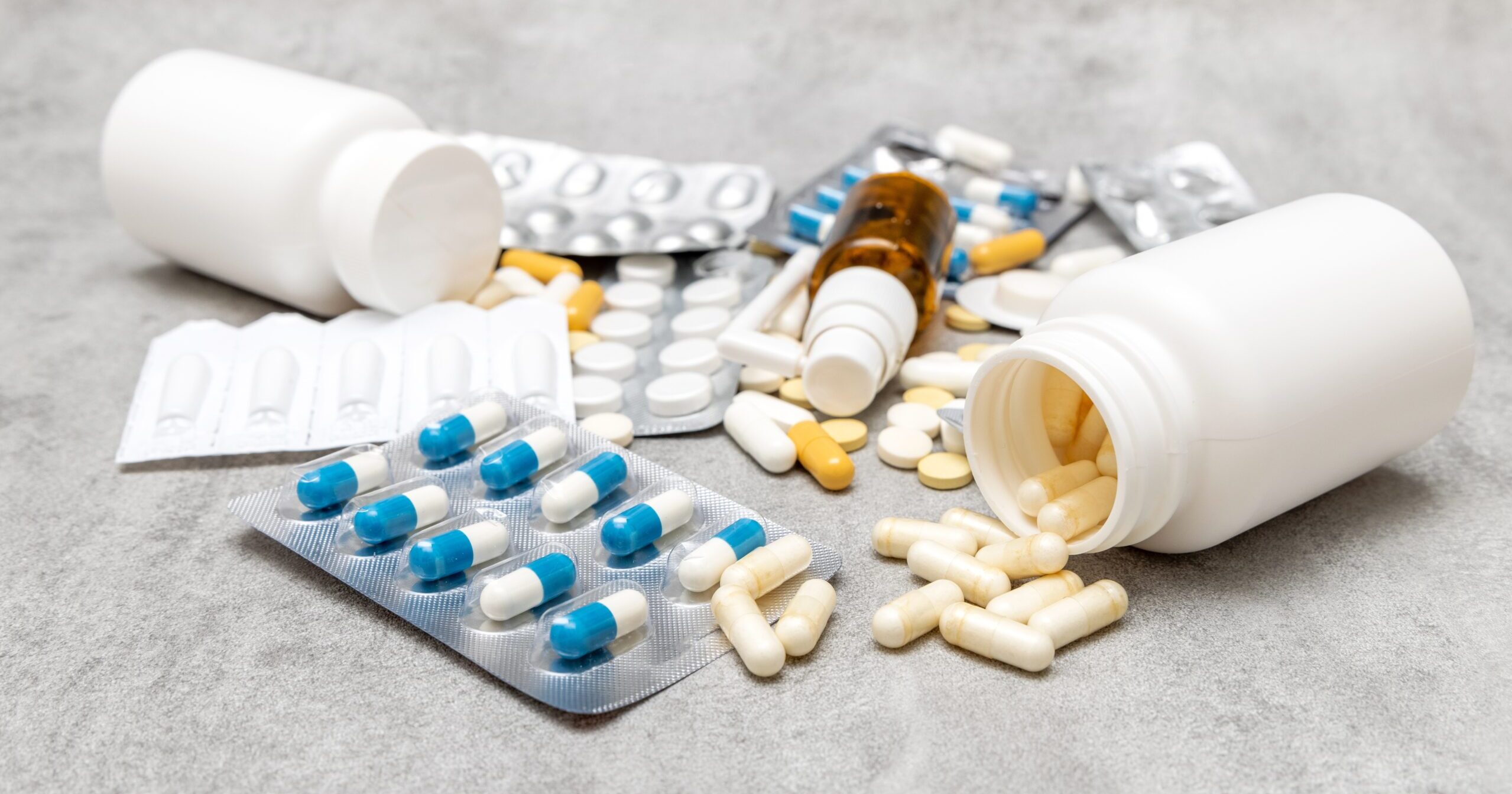

If you’re living with a chronic medical condition, have some pills left over from a wintry bout of bronchitis, or discovered some very expired acetaminophen in the back of your cabinets during spring cleaning, then you might have some pharmaceuticals looking for a new home. But don’t flush those old medications down the drain, and definitely don’t throw them in the trash; if they’re not disposed of properly, old medications can leach into soil and/or groundwater, causing boatloads of harm.
But there’s good news: LA’s S.A.F.E. Centers accept medications and home-generated sharps waste! You can even request a free sharps mail-back container with pre-paid postage through services championed by LA Sanitation; for more info, follow the link here.
Before you bring in any old medication bottles, remember to block out your personal information. Sharps and Epi-pens must be brought to the Centers in a State-approved container or other hard plastic, puncture-proof container with a lid. You can follow this link to access a free sharps container: Sharps Take back California
Why Safely Dispose?
Why does it matter so much how you get rid of old medications? When pharmaceuticals enter the environment through improper disposal, they can cause serious harm to underwater, marine, and riparian (that’s river-based!) ecosystems. Compounds from antidepressants, painkillers, and antibiotics have been found to exceed safe limits in bodies of water all over the world. (Source: Natural History Museum; link here.) This toxicity is extremely detrimental to the millions of creatures who live in our waterways, as well as larger animals further up the food chain.
If you flush old medicines down the toilet or pour them down the sink drain, they’ll eventually make their way to our waterways. The EPA notes that “most wastewater treatment operations discharge treated water to surface water like rivers and lakes,” and pharmaceuticals typically pass through treatment and show up in surface water (yikes!) Most water treatment plants simply are not set up to remove medicines from the waters that pass through them. (Source: EPA; link here.)
But the landfill isn’t a safe alternative, either. Old medications can leach into groundwater and contaminate underground aquifers. Underground water sources may feel a long way off when you’re tossing a few leftover pills in the trash, but that’s the thing about waste systems: we’re all just one stop in a long process full of steps and motions that we can’t control. (For instance, all it takes is a couple of LA’s meddlesome raccoons to knock over a trash bin before a quick rainstorm, and your trash might not even make it to the landfill.) This is why it’s so important to do the right thing and take care of what you can, when you can.
There’s an added urgency to the safe disposal of sharps. As their name suggests, those little guys are, well, sharp. They can poke sanitation workers, sewage workers, janitors, housekeepers, children, and anyone else who may wind up handling your trash. Beyond the pain of a poke, an unexpected encounter with a used sharp can lead to infection and other forms of bodily harm. So, remember to be sharp and safe, and dispose of any sharps at your nearest S.A.F.E. Center!
More Resources:
- CalRecycle has plenty of resources to guide you through your safe disposal options.
- Med Takeback California has a helpful locator to guide you to a takeback location nearest you, including drop boxes at pharmacies, police stations, and health clinics. If you’re travelling outside of LA, this is a great resource!
- Sharps Takeback California: This stewardship program (also linked above) allows you to safely dispose of sharps. You can order a safe disposal bag for free, and then simply fill it up and mail it back. (They accept inhalers too!)