 " alt="">

Teach LA’s Kids!
Here in SoCal, multiple organizations and municipalities offer a wide array of storm water pollution prevention educational information for all audiences in addition to the resources our program offers. This includes resources to help educate school-aged children how to be good stewards of the earth and about the importance of keeping pollutants out of our rivers and oceans.
Ranging from activity books to assemblies, from field trips to clean-ups we’ve put together a collection of some of LA’s best accessible resources.
Stormwater Outreach Materials
At our Stormwater Outreach Materials page, we have free educational materials for your classroom that you can request. The materials we have are appropriate for all ages and include a Clean Water Patrol Activity book (in English and Spanish), stickers, rulers, pens, pencils, bookmarkers, posters and spiral-bound notebooks. To view a sampling of the outreach materials we have available and request materials for your classroom, follow this link.

School Assemblies and Classroom Lessons
LA County Environmental Defenders present important environmental lessons with this 30-minute, high-energy assembly that is free to all elementary schools in Los Angeles County. It encourages students to identify environmental problems and learn about solutions. Interested? To book an assembly, follow this link.
LA’s Cabrillo Marine Aquarium offers a multitude of school programs for pre-K through high school students. Their programs include both on-site and classroom visits. To learn more, follow this link.
LA County’s Natural History Museum offers many different educational programs appropriate for all ages with their programs including field trips, mobile museums, and educator workshops. To learn more, follow this link.
Field Trip Opportunities
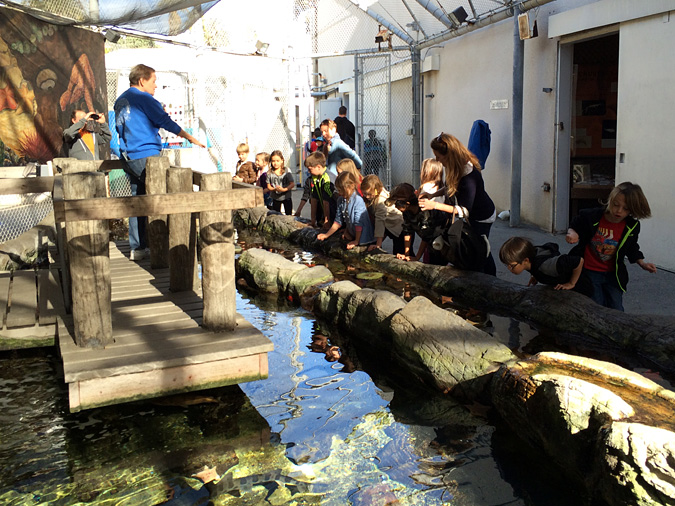
Visiting one of LA’s local aquariums provides hands-on education where students can see the impact of their actions on the ocean.
- Cabrillo Marine Aquarium
- Aquarium of the Pacific
- Roundhouse Aquarium
- Heal the Bay’s Santa Monica Pier Aquarium
- California Science Center Kelp Forest
Environmental learning centers and museums provide interactive experiences where children can learn lessons about being stewards of LA’s watersheds.
Stay In Touch With Nature
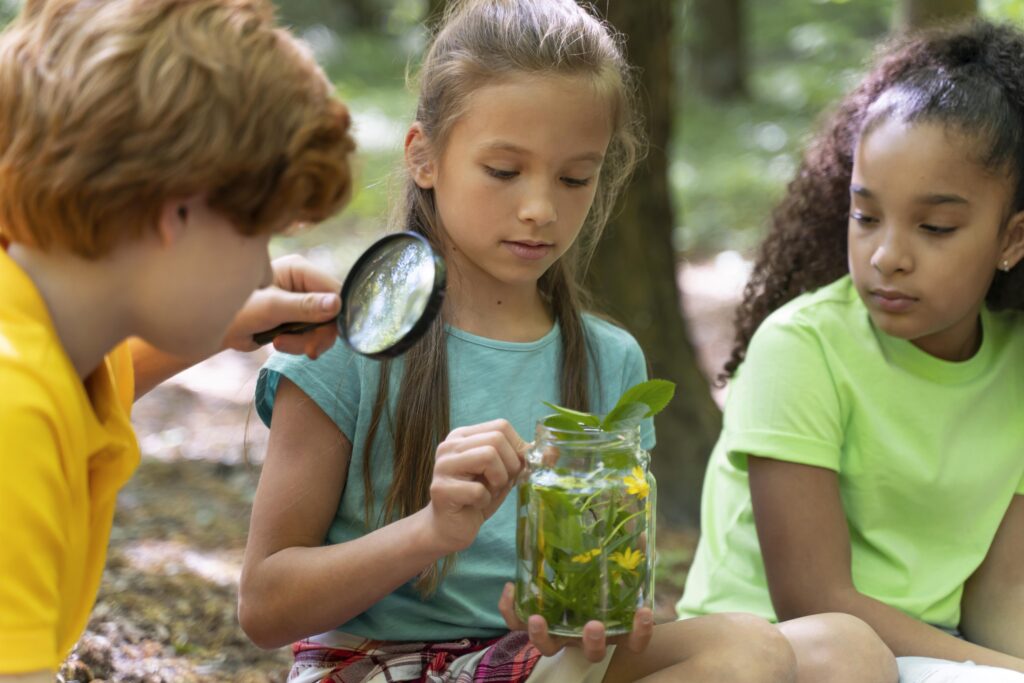
Students better appreciate the need to care for nature when they get to see and experience it up close.
At the Ballona Wetlands, students can experience different species of birds, count butterflies and learn the unique plants and wildlife that call the wetlands home. To learn more about the Ballona Wetlands, follow this link.
The Mildred E. Mathias Botanical Garden at UCLA provides docent-led tours for students with insight to more than 5,000 species of plants from all over the world. To learn more about the Mildred E. Mathias Botanical Garden at UCLA, follow this link.
San Gabriel Mountains Heritage Association in the Angeles National Forest offers a variety of environmental educational programs that include water ecology, native plants and animals. To learn more about the San Gabriel Mountains Heritage Association, follow this link.
TreePeople offers numerous environmental education programs for schools and teachers. With the goal to help young people grow into lifelong caretakers of the environment, kids can “dig in” with hands-on activities. These include opportunities to plant and care for trees at urban sites and participate in restoration activities in the mountains. To learn more about TreePeople, follow this link
The Audubon Center at Debs Park works to inspire people to experience, understand and care for the local natural world. The center offers environmental education and conservation programs for the communities of northeast Los Angeles. To learn more about the Audubon Center at Debs Park, follow this link..
Online Education
Below is a list of local Los Angeles-based sources that offer educational online resources for teachers and families:
California Science Center Stuck At Home Science | Recommended for Grades: All ages
This online resource continues children’s science learning with easy-to-follow daily activities. This resource is designed for families to explore, investigate and have fun learning together at home. For more information about the California Science Center’s Stuck At Home Science, follow this link.
Discovery Cube’s Connect | Recommended for Grades: All ages
This resource of hands-on programs and activities connects children with the latest in educational STEM resources. Content is organized by subject matter and grade level. Create a free account to access content. To learn more about the Discovery Cube’s Connect, follow this link.
Friends of Ballona Wetlands | Recommended for Grades: K-8
Share nature with your child whether from a window, yard or family walk around the block. The resources are segmented by grade range and include videos, posters, worksheets, coloring sheets and activities. To learn more about the Ballona Wetlands through their Ballona @ Home program, follow this link.
Friends of the Los Angeles River | Recommended for Grades: All ages
Downloadable informational maps of the Upper LA River, Middle LA River and Lower LA River as well as a downloadable river bingo card. To learn more, follow this link.
Heal the Bay | Recommended for Grades: 3-5
Heal the Bay’s Science, Environment and Action (SEA) online curriculum gets students up close with marine life and teaches environmental science through engaging videos and interactive activities. To learn more about Heal the Bay’s educational resources including the SEA curriculum, follow this link.
Beach, River and Community Clean-Ups
Throughout Los Angeles, there are a number of organizations that welcome those wishing to create a more sustainable city by cleaning up rivers, beaches and their communities. A clean-up is a powerful way to show children that small actions make a big difference in keeping our waterways pollution-free.
Heal the Bay provides information on field trips, classroom presentations, professional development opportunities for teachers and their monthly Nothin’ But Sand Beach Clean-Ups. To learn more about Heal the Bay, follow this link.
Friends of the Los Angeles River (FOLAR) creates engaging learning experiences through school programs for Grade 2-12 teachers and their students. The annual Great Los Angeles River Clean Up happens every spring. To learn more about the Friends of the Los Angeles River, follow this link.
California Coastal Commission organizes California Coastal Cleanup Day in September every year. Organizations throughout California take part in this annual cleanup event. For more information on the California Coastal Commission, follow this link.
City of Los Angeles Office of Community Beautification seeks to create a clean and beautiful Los Angeles by forming partnerships with volunteers, residents, community organizations and non-profit agencies. For more information on the Office of Community Beautification, follow this link.
LA Conservation Corps provides mutual benefit for young adults through programs including urban greening, community beautification, habitat restoration and fire fuel reduction, recycling, regenerative agriculture and disaster response and recovery. To learn more about the LA Conservation Corps, follow this link.
LA Waterkeeper provides programming related to pollution prevention, systems change, healthy habits and river assessment field teams and conducts regular beach and river cleanups. For more information on LA Waterkeeper, follow this link.
Surfrider Foundation works to tackle the ocean litter problem, which is primarily caused by plastic pollution, through education, community science and legislation and policy change. For more information on Surfrider Foundation, follow this link.
For even more resources, please visit the LA Stormwater blog article Teachers, We LA-la-love You: Resources for LA’s Educators. To visit this blog article, follow this link.