

Yes, school is officially out in LA, and we enthusiastically congratulate the class of 2026 and all the students (and educators) who successfully finished their classes earlier this month.
But because we believe in lifelong learning, who’s up for a quick summer refresher course – Stormwater 101? Great! Here we go! We promise you’ll ace this class and unlike most courses, we’ll leave out those dreaded pop quizzes and pesky final exams.
You care about our local Los Angeles environment – you may have even heard of phrases like ‘storm drains’ and ‘stormwater good housekeeping practices .’ But what exactly is stormwater?
Whether you’re new to our watery world or just need a refresher, let’s revisit some key stormwater-related terms and definitions. From bioswales and green-and-grey filtration to non-source pollutants and schoolyard greening…there’s a lot of ground to cover!
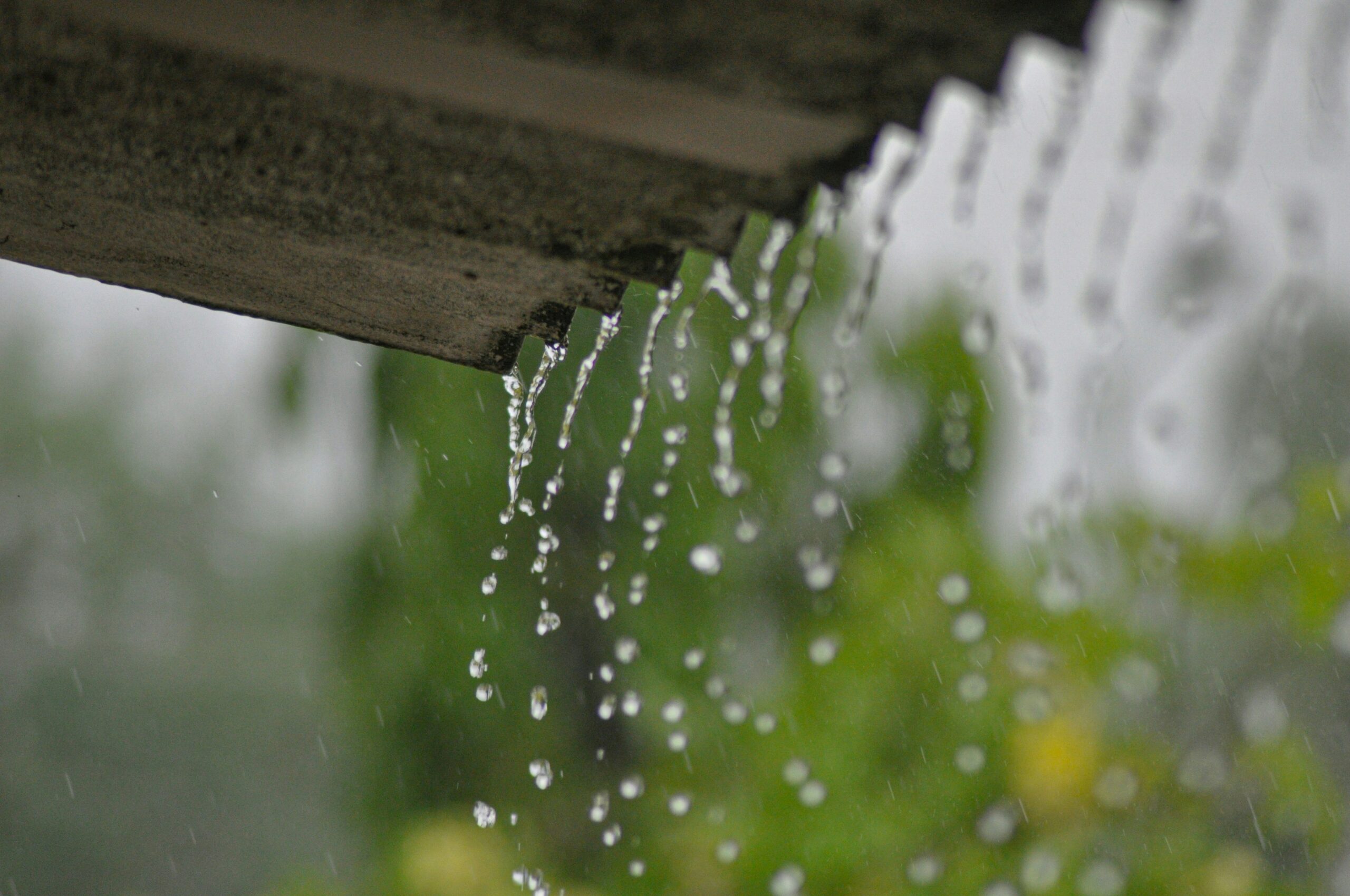
Stormwater: Water from the rain, or from snow and ice melting. Stormwater can soak into the soil, evaporate into the air, or run off toward nearby waterways, often through a city’s storm drain system.
Impervious/pervious: Impervious surfaces aren’t porous enough for water to seep into them. This includes most types of pavement, bricks, and stones. Pervious surfaces are permeable surfaces that water can seep into. You can learn more about pervious pavement here.
Storm drain: A drain that can direct excess stormwater (and ground water) away from impervious surfaces. Storm drain grates are commonly seen along curbs and street gutters. Here in LA, we often refer to these curbside openings as “catch basins.”
Catch basin: According to Raleigh NC Stormwater, this is “a box structure typically located at an elevation lower than the surrounding surface area that serves as a collection point for stormwater runoff. Catch basins are typically connected to other stormwater infrastructure, like pipes, to convey the water.”
Swale: A depression in the ground, typically a downward-sloping channel. These can be artificial, such as infiltration basins, which help manage water runoff and filter out pollutants.
Bioswale: A swale that consists of plants. This is a natural form of stormwater filtration and management.
Surface runoff: Strictly speaking, runoff is how water flows across the land. When stormwater doesn’t entirely soak into the soil it lands on, it becomes runoff and heads for other areas. Urban runoff is of specific concern to us, because this is runoff that often flows over impervious surfaces, carrying not only stormwater but also any pollutants picked up along the way.
Watershed: According to the National Ocean Service, a watershed is “a land area that channels rainfall and snowmelt to creeks, streams, and rivers, and eventually to outflow points such as reservoirs, bays, and the ocean.” The City of LA has four major watersheds. LA County has nine watersheds. Find yours here.
Green and grey filtration: “Green” filtration is any type of plant, wetland, or bioswale that naturally helps filter pollutants out of groundwater and stormwater. “Grey” filtration refers to systems like pipes and drains – any of the more ‘technological’ designs traditionally used to filter out pollutants from water. These types of filtration systems can be used in unison: rain may fall on a wetland area or bioswale, where it is then diverted down through underground pipes for treatment.
Non-point source pollutants: Types of pollutants that don’t come from one single, easily- identifiable source (i.e., a specific factory.) This includes pollutants spread via runoff and rain – that is, pollutants spread by stormwater.
Schoolyard greening: Plans to reimagine schools as pavement-free spaces for kids and communities that can also help filter stormwater. Designs can include impervious pavement, trees for shade in hot, tree-less areas, and other nature-based solutions like bioswales. Heal the Bay has a great article on the concept here.
Low-flow diversions: Structures that divert polluted water toward filtration and treatment.
Riparian ecosystem: The interconnected lives of plants and animals who live alongside a river.
Marine ecosystem: The interconnected lives of plants and animals who live in the ocean.
Green space: As per the U.S. Green Building Council, a green space is “land that is partly or completely covered with trees, shrubs, grass or other vegetation [including] urban parks, trails and community farms or gardens.” This is land that’s covered by plants instead of structures.
Pesticides: To paraphrase the EPA, a pesticide is any substance or mix of substances that exists to harm or repel pests or plants (including any nitrogen stabilizer.) Pesticides are a top pollutant of concern in the stormwater world, because runoff can carry these toxins from a farm or garden into our waterways.
Cisterns and rain barrels: Mechanisms for capturing rainwater on a small-scale. For more info on rain barrels, visit our blog post here.
Xeriscaping: If you’re designing your yard (or a larger landscape) using only low-water, drought-resistant, likely-native plants – the kinds that don’t require minimal, if any, irrigation – then you’re xeriscaping! We’ve covered some of the benefits to ditching your lawn in favor of drought-resistant native plants here.
A Note on El Niño
Even though it’s summertime and well within the dry season, it’s important to remember that water operates cyclically. And we’re a part of that cycle! Which is to say: stormwater management matters during the summer, because the rainy season – be it a few trickly drizzles or a full-throttle deluge – will be here before we know it.
The National Oceanic and Atmospheric Administration, the World Meteorological Organization, and others declared the start of an El Niño weather event earlier this year, and forecasters have warned that we may be in for a ‘super El Niño’ later this fall. Though we’re not sure what this will look like, there’s a chance that LA will be in for some big storms this winter. We’ll dive deeper into what El Niño means, and what you can potentially expect, in early fall.
Wanna Learn More?
So, the next time your friend or neighbor asks, “Hey, do you know where that storm drain goes?”, you’ll know exactly how to answer. Still have some questions? We’re happy to help! Email lastormwater@lacity.org and we can steer you toward some of our additional educational resources.