
Los Angeles usually expects to see the “first flush” – that is, the first big rainfall of the rainy season – in the October/November timeframe, though this date is never set in stone. With global warming, it’s a fool’s errand to try to pin down Mother Nature’s schedule. And with this fall and winter promising a “Super” El Niño, things are getting more unpredictable – within the last two months we’ve already seen two tropical storms (Marie and Rachel) roll through LA. With the uncertainty of the next few months ahead, there are important steps that everyone can take to face these weather events with confidence, safety, and environmental-consciousness.
- Preparation is power: prep for floods. Particularly if you live near the ocean or the river, now is a great time to put together a flood safety plan for your household. King Tides are predicted for both the end of November and December so now is the time to prepare. Pack a go bag, pick a spot on higher ground to meet and make sure everyone in your family is familiar with your plan. It’s always a good idea to live by the classic earthquake prep guidelines which we Californians know well: keep a few gallons of drinking water, some nonperishable food, first aid supplies, and flashlights in an accessible spot. It never hurts to be prepared. You can also get free sandbags from the LA City and County Fire Department.
- Let’s fix those leaks! Has there been a mysterious crack underneath your bedroom window that sometimes puddles up a little bit when it drizzles? This is your sign to finally get that fixed!
- Clear out your drains and rain gutters. Similarly, take a gander at your home’s drains and gutters, cleaning out yucky debris and making sure they’re ready to get to work.
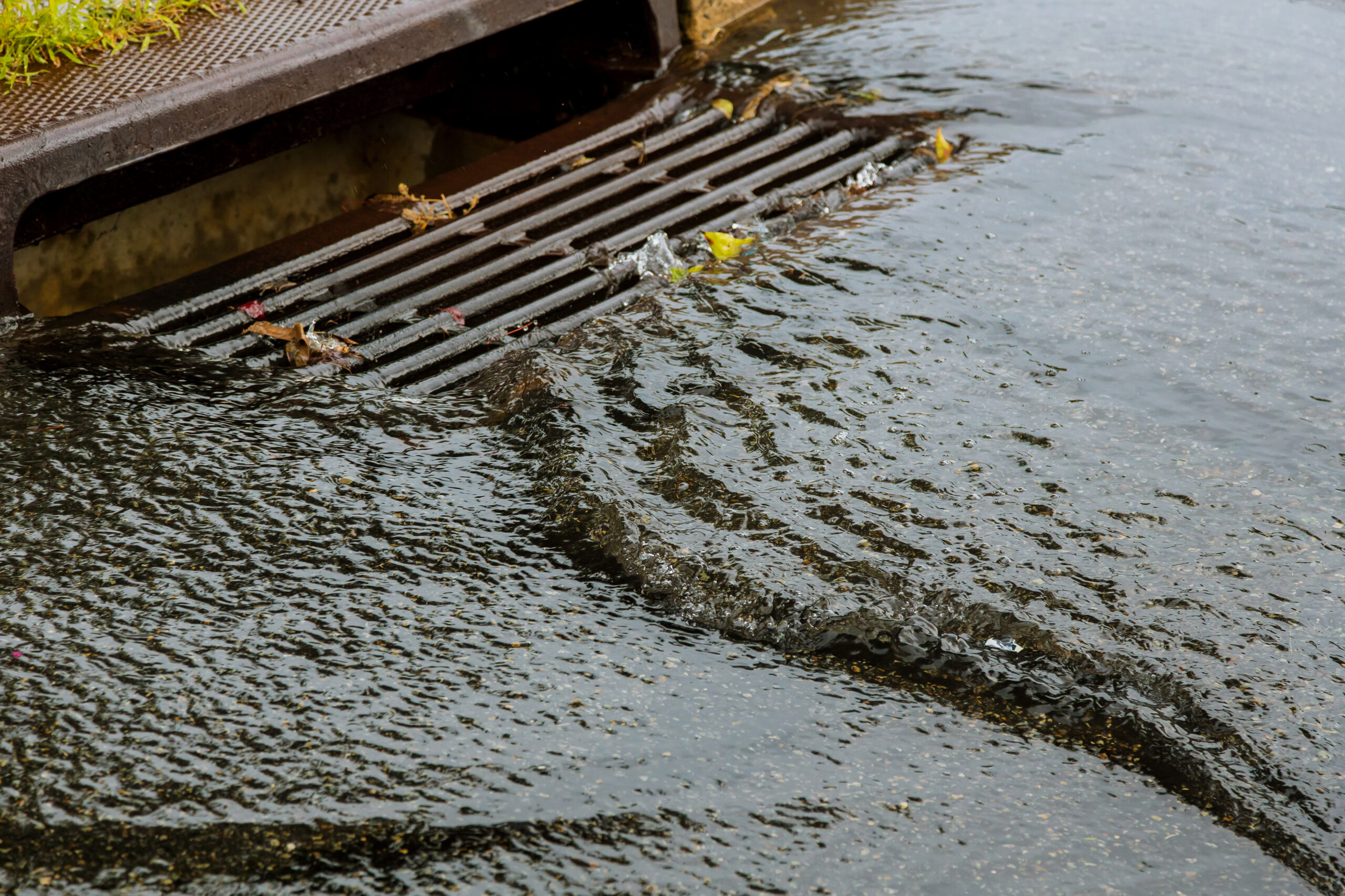
- Take a (dry weather) neighborhood clean-up tour. Before the first flush and/or El Niño-related rains hit, take a stroll through your neighborhood and check out the curbside gutters and storm drains. If you notice any clogged catch basins, give LA Sanitation’s Customer Service Center a call at (800) 773-2489 so they can help get your street storm-ready.
- Prepare your rain barrels. If you have a rain barrel or cistern, make sure that it’s ready to collect those raindrops! Check that the downspout is properly connected and that the overflow valve is open. You can learn more about rain barrels in this blog post.
- Assess your auto. Make sure your car is ready to drive in the deluge! Check your windshield wipers and tire treads, and make sure your car isn’t leaking any fluids; you don’t want those automotive toxins to get swept off to our waterways.
- Don’t lose the bins! If rain is in the forecast on your trash pick-up day, place your black, blue, and green bins at least six inches from the curb to (hopefully!) keep them from getting knocked over by the stormwater flow.
- Sign up for NotifyLA. NotifyLA is the City of LA’s emergency alert system. Sign up to receive alerts in case of an emergency or disaster.
- Own a home in a mudflow-prone zone? Call the mudflow engineering hotline. LA County Public Works is offering free, property-specific engineering advice to residents. Civil engineers will visit your home to look at things like retaining walls and how water or mud may flow across your property. Homes in higher-risk areas can even receive a detailed report. It’s especially helpful if you live near a burn scar or an area prone to debris flows and it’s open to all county residents. Call the mudflow engineering hotline at (800) 933-0930 to schedule!
Though we don’t know yet what the “Super” El Niño will look like for LA, we do know that a little bit of preparation makes every storm easier to weather.
Curious to learn more about El Niño? This article is part of a series. Learn more about: the “first flush” as it relates to El Niño; how you can prepare your garden; and how the City, County, and State are getting ready to weather the storm.